
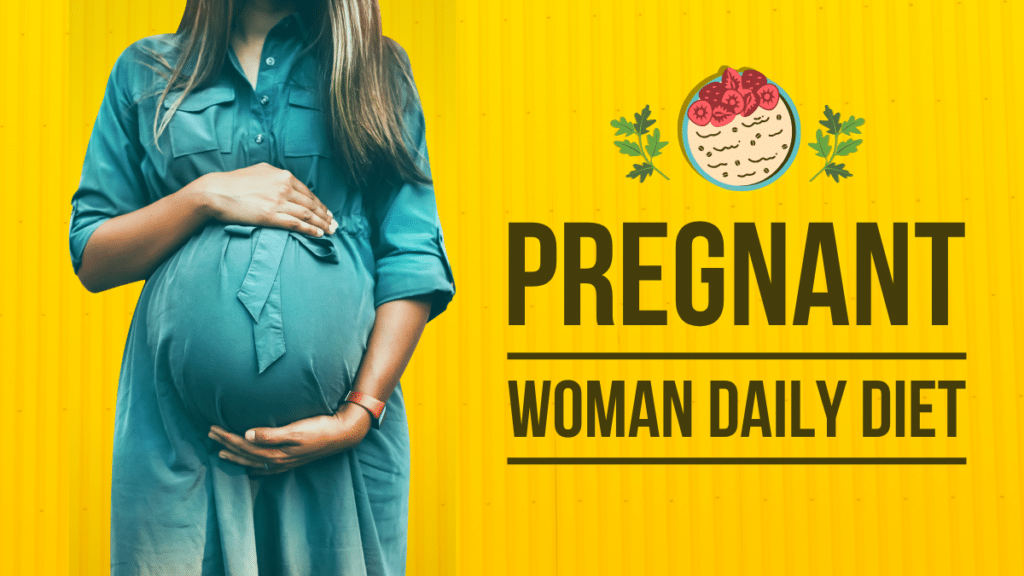
IS PROTEIN POWDER SAFE DURING PREGNANCY ? the answer is : Pregnancy makes proper nutrition crucial. Many women wonder if protein powder can help meet daily requirements. With many options—whey, vegan, organic powders, and meal replacement shakes—it can be challenging to determine which are safe during pregnancy.
Protein supports fetal growth, muscle development, and maternal health. However, not all protein supplements are equal, and some may contain ingredients unsuitable for pregnancy.
In this guide, we’ll answer the common question: Is it safe to consume protein powder during pregnancy? We’ll also discuss the best types of protein supplements, potential risks, and tips for choosing the right product.
Why Protein Is Important During Pregnancy
Protein is one of the most essential nutrients during pregnancy. It supports:
- Growth and development of the baby
- Formation of fetal tissues and organs
- Development of the placenta
- Maternal muscle maintenance
- Healthy weight management
Pregnant women generally require more protein than non-pregnant women. While most protein needs can be met through food, some women may benefit from protein shakes or supplements when dietary intake is insufficient.
Recommended Protein Intake
The recommended protein intake during pregnancy varies depending on body weight and trimester. Most healthcare providers suggest approximately 70–100 grams of protein per day.
Is Protein Powder Safe During Pregnancy?
The short answer is yes—protein powder can be safe during pregnancy when used appropriately and under medical guidance.
However, safety depends on:
- The type of protein used
- Ingredient quality
- Sugar content
- Presence of artificial additives
- Individual health conditions
Not every supplement marketed as the best protein powder is suitable for pregnant women.
When Protein Powder May Be Helpful
Whey Protein Powder
Whey protein powder is one of the most popular and easily digestible protein sources. It contains essential amino acids that support fetal growth and maternal health.
Benefits include:
- High biological value
- Fast absorption
- Rich amino acid profile
Whey Protein Isolate
Whey protein isolate contains a higher concentration of protein and less lactose than regular whey protein.
Many women who are lactose-sensitive may tolerate whey isolate protein powder better than standard whey products.
Vegan Protein
For women following plant-based diets, vegan protein can be an excellent option.
Common sources include:
- Pea protein
- Brown rice protein
- Hemp protein
- Pumpkin seed protein
A high-quality vegan protein supplement can help meet increased protein requirements during pregnancy without animal products.
Organic Protein Powder
Many expecting mothers prefer organic protein powder because it is often free from pesticides, artificial flavors, and unnecessary additives.
Look for products that:
- Are third-party tested
- Have minimal ingredients
- Contain no harmful stimulants.
Are Meal Replacement Shakes Safe During Pregnancy?
Many women ask whether meal replacement shakes can replace regular meals during pregnancy.
The answer depends on the nutritional content.
A quality meal replacement should contain:
- Protein
- Healthy fats
- Vitamins and minerals
- Fiber
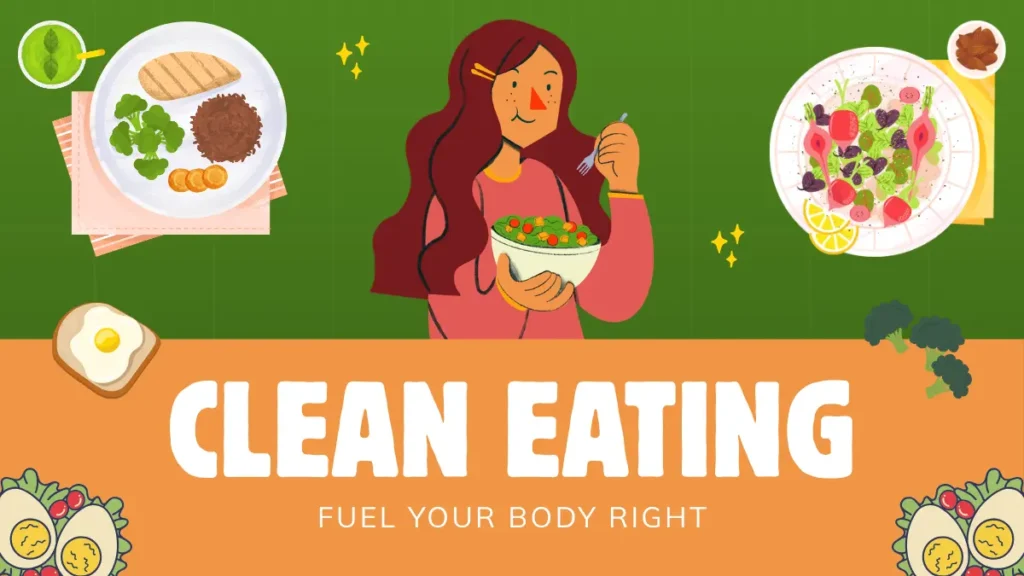
However, meal replacement products should not become the primary source of nutrition during pregnancy. Whole foods should remain the foundation of a healthy prenatal diet.
Protein Powder and Weight Management During Pregnancy
Protein Powder for Weight Loss
Products marketed as protein powder for weight loss, or as the best protein powder for weight loss, should be approached with caution during pregnancy.
Pregnancy is not typically the time to pursue weight-loss goals unless advised by a healthcare provider.
Low-Calorie Protein Powder
A low-calorie protein powder may be appropriate for women who need additional protein without excessive calories.
However, adequate calorie intake remains important for fetal development
Protein Shakes for Weight Loss
While protein shakes for weight loss may be beneficial outside pregnancy, expecting mothers should prioritize balanced nutrition over calorie restriction.
Ingredients to Avoid in Protein Supplements During Pregnancy
When choosing a supplement, avoid products containing:
Excessive Added Sugar
High sugar consumption may increase the risk of:
- Excessive weight gain
- Blood sugar fluctuations
- Gestational diabetes
Herbal Additives
Some supplements contain herbal blends that have not been studied adequately in pregnancy.
Artificial Stimulants
Avoid ingredients such as:
- Excess caffeine
- Fat burners
- Weight-loss compounds
Proprietary Blends
Choose products with transparent ingredient labels rather than hidden formulations.
Choosing the Best Protein Powder During Pregnancy
If you’re searching for the best protein powder for women during pregnancy, consider the following:
Protein Source
Choose high-quality protein such as:
- Whey protein
- Whey protein isolate
- Vegan protein
- Organic protein powder
Third-Party Testing
Independent testing helps verify:
- Purity
- Safety
- Absence of contaminants
Minimal Ingredients
The best products often contain:
- Protein source
- Natural flavoring
- Limited sweeteners
Nutritional Compatibility
Protein supplements should complement—not replace—important nutrients obtained from:
- Whole foods
- Fruits and vegetables
- Healthy fats
- Prenatal vitamins Protein Powder vs Prenatal Vitamins
Many women wonder whether protein supplements can replace prenatal vitamins.
The answer is no.
Protein powders primarily provide protein, while prenatal vitamins supply essential nutrients such as:
- Folic acid
- Iron
- Calcium
- Vitamin D
- Iodine
The best approach is combining adequate dietary protein with doctor-recommended prenatal supplementation.
Can Protein Powder Help Women With Gestational Diabetes?
Women diagnosed with gestational diabetes often need careful blood sugar management.
Protein-rich foods and supplements may help:
- Improve satiety
- Reduce blood sugar spikes.
- Support healthy nutrition
However, products should be selected carefully to avoid excess sugar.
Always consult a healthcare provider before starting any supplement.
Frequently Asked Questions
Yes, high-quality whey protein powder is generally considered safe when approved by your healthcare provider.
Many pregnant women can safely consume protein shakes daily if they fit within their overall nutritional plan.
Yes. A high-quality vegan protein supplement can be a good option for women following plant-based diets.
No. While meal replacement shakes may occasionally be useful, they should not replace a balanced diet built around whole foods.
The best protein powder is one that is high quality, third-party tested, low in additives, and approved by your healthcare provider.
Conclusion
Protein is an essential nutrient during pregnancy, supporting both maternal health and fetal development. For women who struggle to meet their protein requirements through food alone, protein powder can be a convenient and effective supplement.
Whether you choose whey protein isolate, whey protein powder, vegan protein, or, the key is to select a high-quality product with minimal additives and to consult your healthcare provide organic protein powder before use.
Remember that protein supplements should complement a healthy pregnancy diet—not replace nutritious meals, prenatal care, or recommended prenatal vitamins. By making informed choices, expecting mothers can safely support their nutritional needs and promote a healthy pregnancy.